

"Healing avoidant"
What love looks like when you’ve learned to run from it

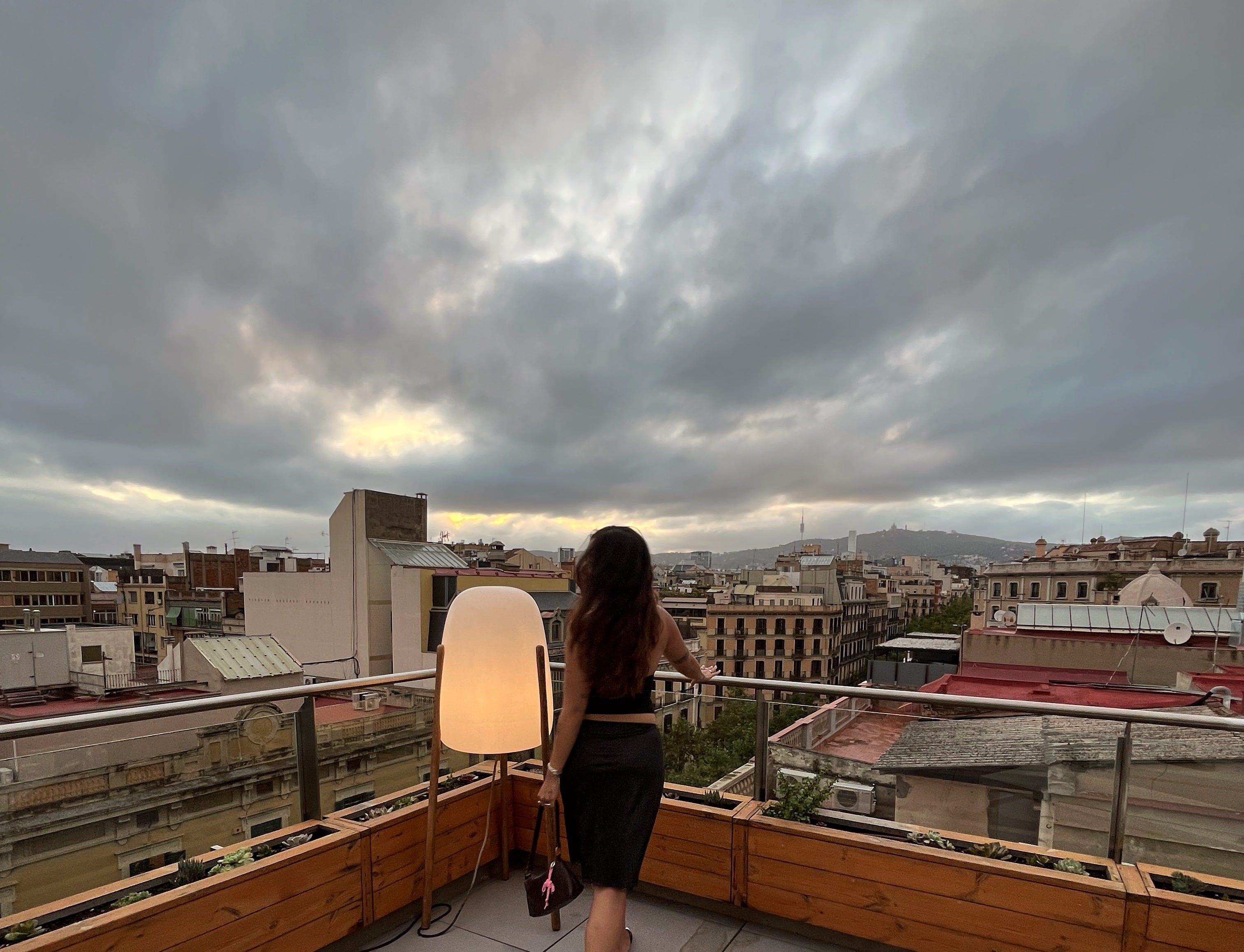
I’m a healing avoidant, and this is how I say “I love you.”
Some people find it hard to believe that I’m someone who runs from hard feelings, despite the stamps on my passport that say otherwise. The way I use words with eloquence is a bit of a mask. The logic of a feeling is easier to carry than the emotion itself, after all. “Dismissive avoidant.” “Fearful avoidant.” I’ve been called it all, once you get close enough.
Let’s go back a bit. I used to tell myself that ghosting was appropriate. My blocked list turned into a graveyard of minor inconveniences. I fled from consequences in ways that slid calmly under the radar. I pocketed things to deal with later. And by later, I mean until a responsibility shrank with time, until it no longer felt like mine. Then it leaned into logic instead. Infusing sense into situations that demanded to be felt. This is where I fool most people. I’m not good at feeling emotion. I’m just good at articulation.
So when do I actually feel? Surely not between an impossible schedule of work, socials, fitness, and obligations. The thing is, it always catches up. What matters lingers. It looms. I know that. I’m just afraid. Afraid of losing my composure to my pain. Afraid of having something — someone — to lose. So I keep running. Except the wheel I’m spinning only tires myself, and no amount of glitz or flights can replace the feeling of safety.
I don’t remember the last time I was just held. Held while I folded into myself, because that’s all I’ve needed to do these last few years. Maybe if I stopped running. I’m working on it.
See, I’ve been in love without ever saying the words “I love you” out loud. In recent years, I’ve been feeling everything, sometimes a little too intensely. A feeling can be so heavy that I don’t even realize I’m easing its weight by compartmentalizing. The first time it really hit me was after my dad died. We held his funeral services on February 11 and 12, and I flew back to London on the 13th. That year, I traveled around Europe, leaned into friends, and even met a boy who made all my stars feel aligned. Of course, I never properly told him.
I flew back to Toronto in December to be with my mom. It felt like the right thing to do. Her life had changed the most. When I walked into our home, my dad’s absence was deafening. His birthday came the following week. He’s gone. He’s gone. His bedside table didn’t even look right without his glasses resting on it. I couldn’t hold onto anything.
I spent the next eight months holding grief’s hand, like actually acknowledging it. I still am. But those months, almost a year after he died, were the first time I stopped running for a moment. I couldn’t lose anything else good with the wound this open. So I thought if I let go, maybe I could come back better for it.
Here are some of the ways I try to say “I love you,” shaped by the distance between who I was and who I’m becoming:
I’m quiet at first. I breathe in rhythm with you, trying to feel what you’re feeling. We sit with it together. I know what it’s like to not be ready to talk, and I want you to know you’re not alone in that.
I reach for your hand in crisis. We look for something steady in a sea of voices, even if the loudest ones are our own. I want you to know you’re being held.
You exist to me yesterday, today, and tomorrow. Who you were matters to me because it made you who you are. I want to see who you become. I’ll ask about the years I haven’t known, show up quietly with a meal when your Wednesday is too much, and make plans for days and months ahead.
I come back. Even when it takes me longer than I wish it did. I think about what I couldn’t say, and when I’m ready, I try again. Loving you means not letting distance be the last word.
I choose you in ordinary moments. Not just in intensity or collapse, but in the mundane. In showing up when nothing dramatic is happening, when staying is the harder option.
I’m still a work in progress. I may always be. When I notice fear filling in the gaps, I look for stillness instead of distance. Writing this feels like part of that. What I need, and what I’m learning to ask for, is simple. A hand to hold. A place to exist without running. Safety, in its softest form.